Baltic Worlds 2016
This article explores contemporary Georgia as a much-repaired society, where everyday practices of fixing, improvising, and recombining materials reveal deeper social, political, and cultural dynamics.
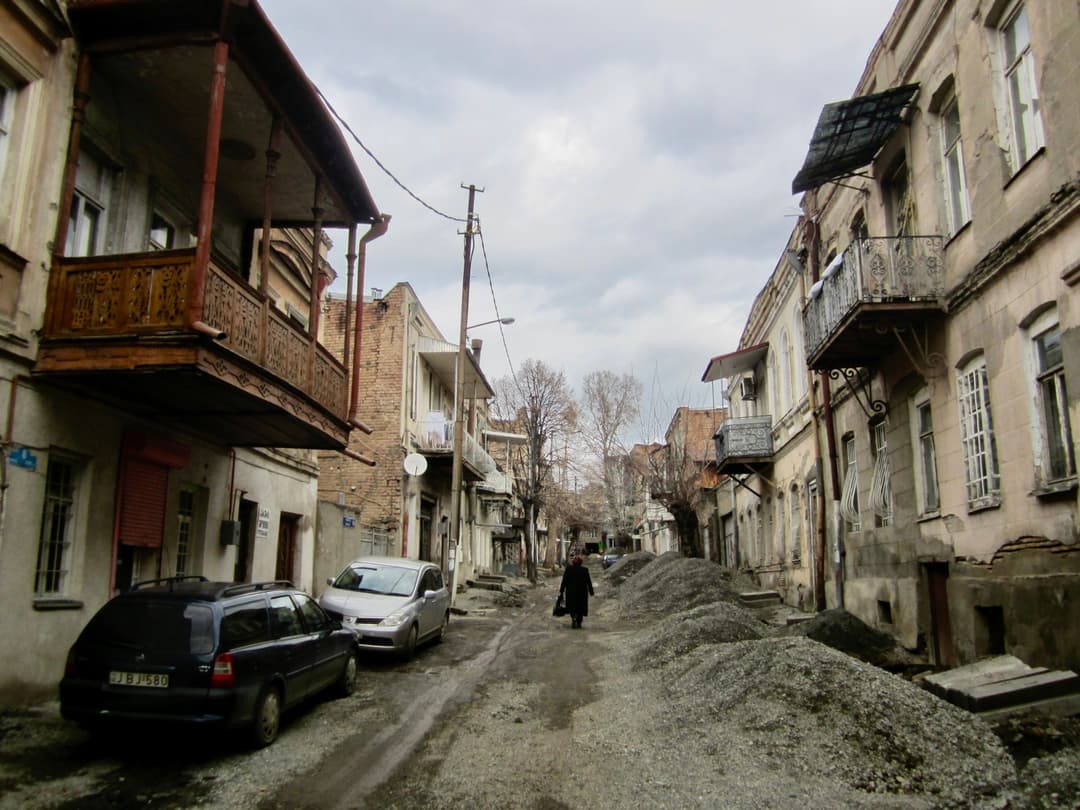
Drawing on the curatorial project Aesthetics of Repair in Contemporary Georgia, the author examines how acts of repair—visible in architecture, urban transformation, artistic practices, and daily life in Tbilisi—become both survival strategies and aesthetic expressions in a society shaped by post-Soviet transitions.
Through ethnographic observation and engagement with contemporary artists, the study highlights how improvisational practices such as khaltura, scrappiness, and euroremont embody a culture of adaptation amid uncertainty. Repair emerges not merely as a technical act but as a moral and aesthetic framework through which individuals negotiate loss, modernization, and identity.
By bridging anthropology and contemporary art, the article reveals how material recombination, vernacular creativity, and fragmented urban transformations articulate the tensions between past legacies, present precarity, and aspirations for global belonging in Georgia.
Ultimately, the culture of repair exposes how societies in transition continually reconstruct themselves through small, everyday acts of making, mending, and reimagining the world.